The course study
Overview
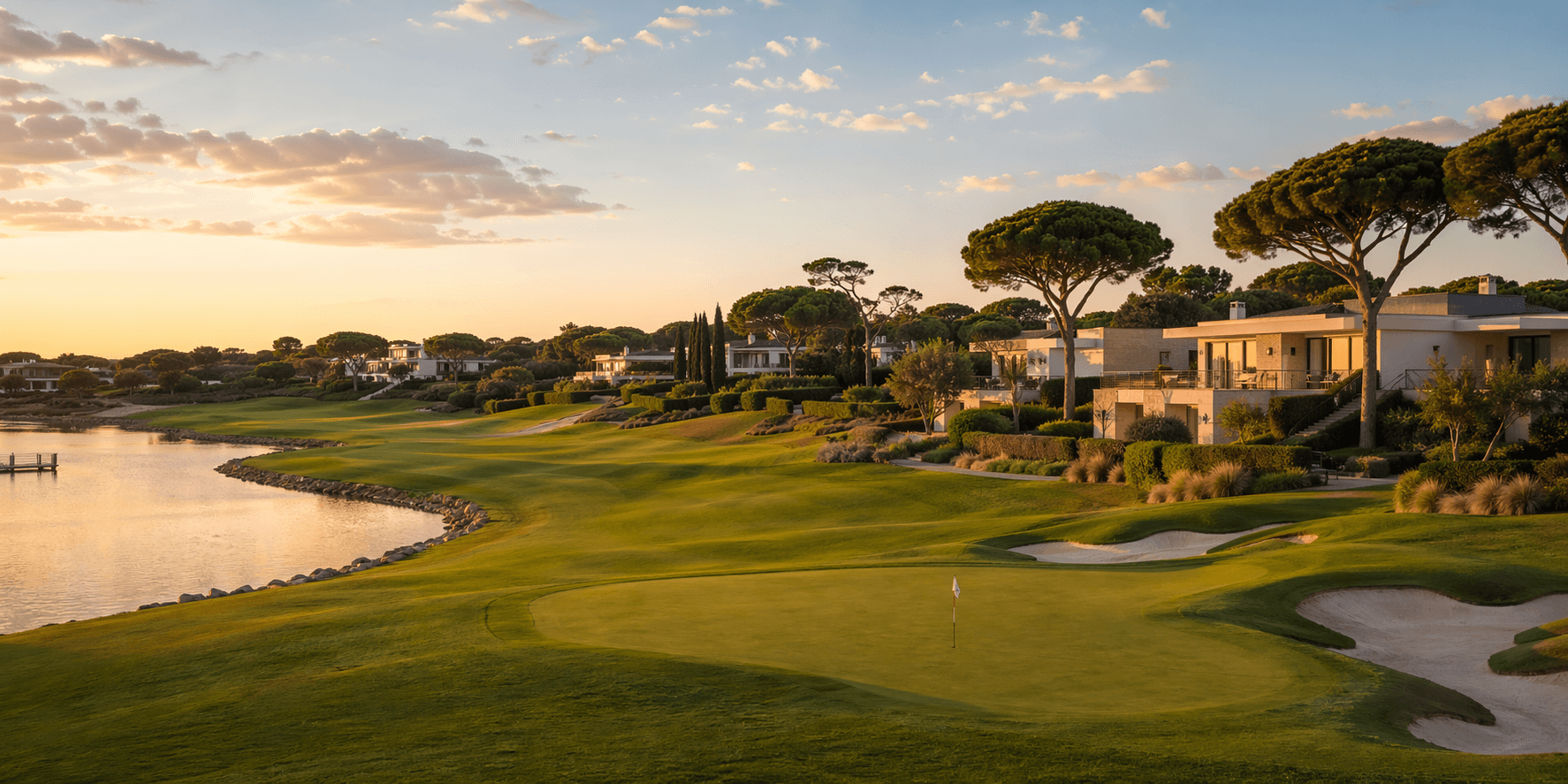
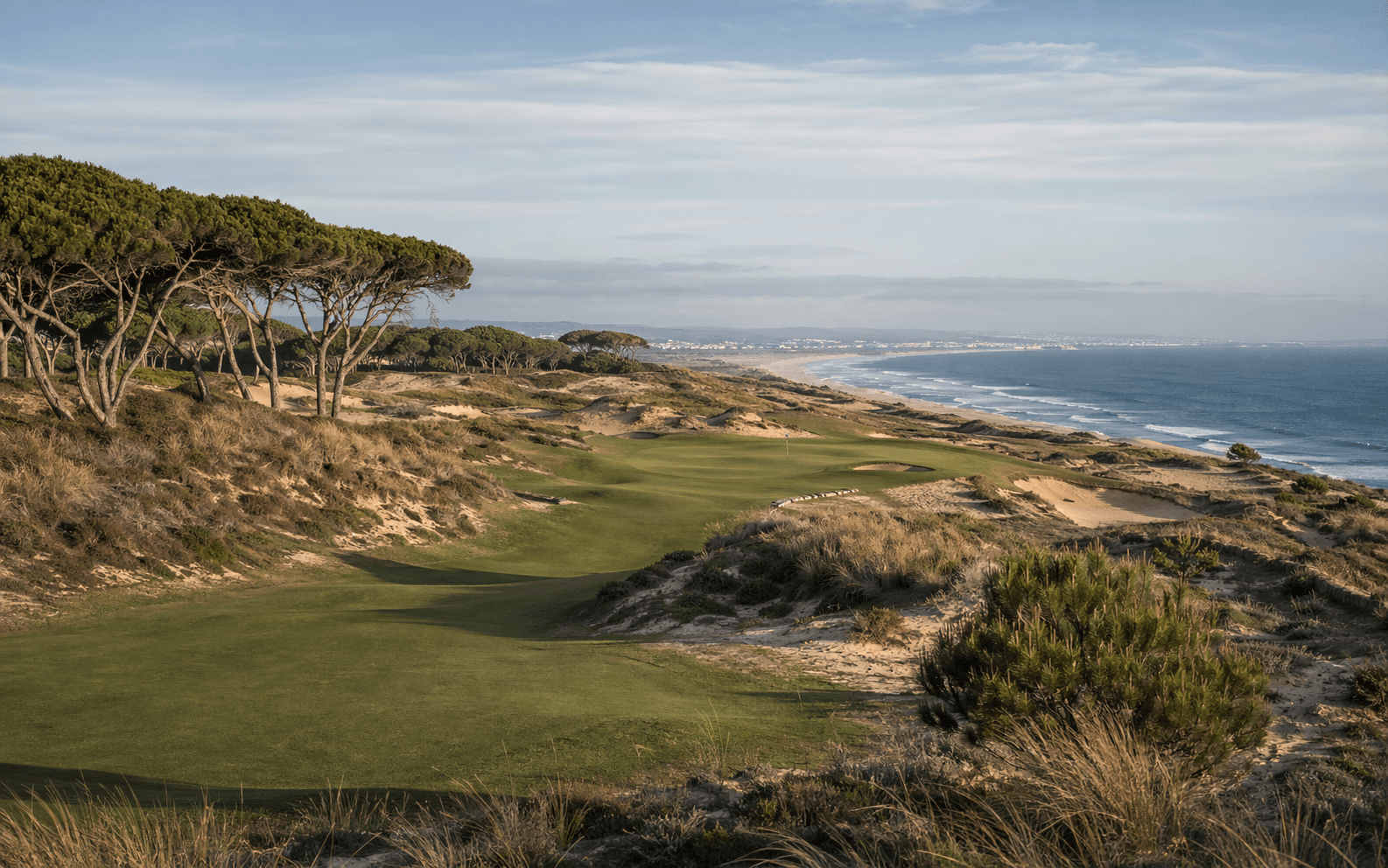
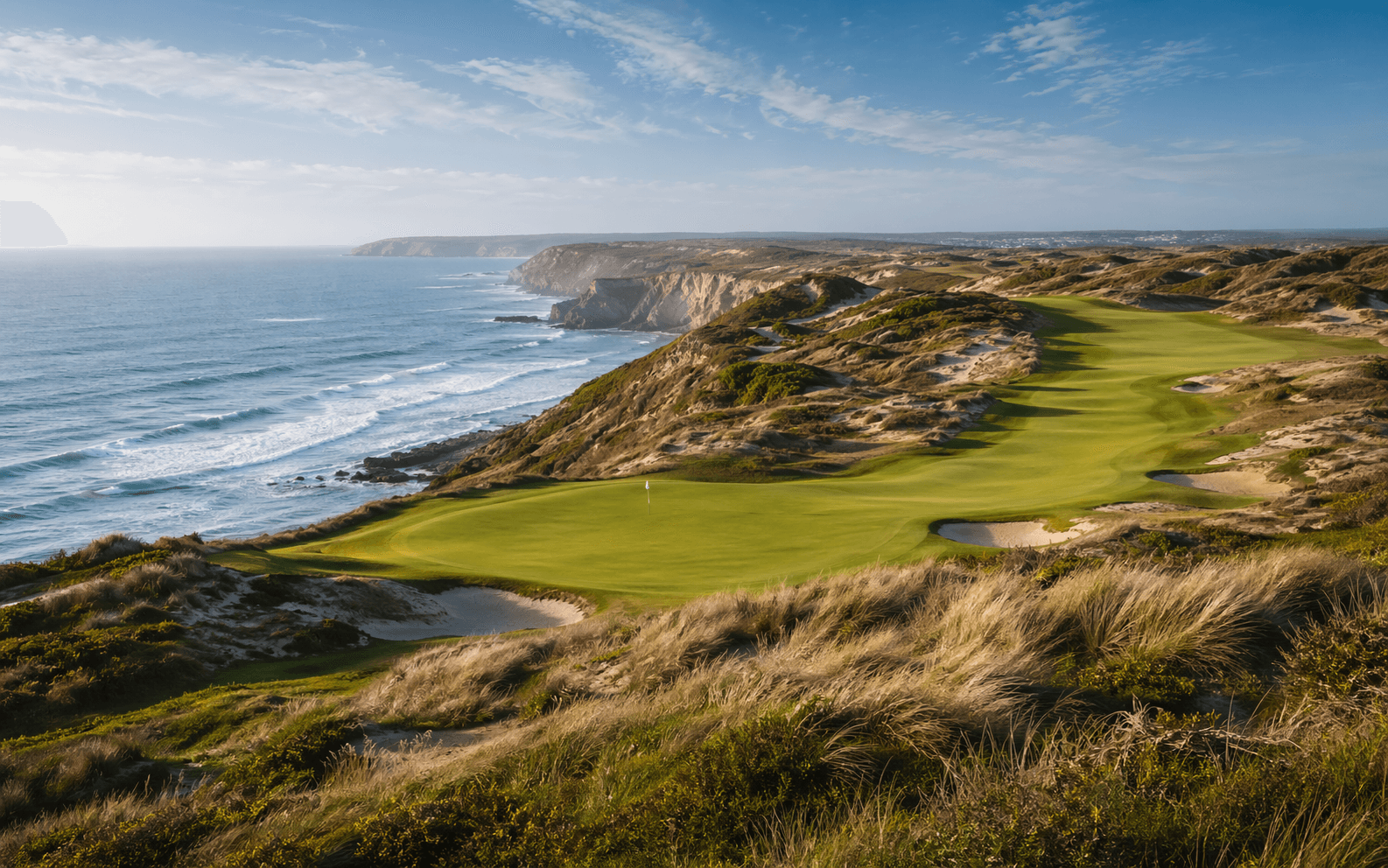
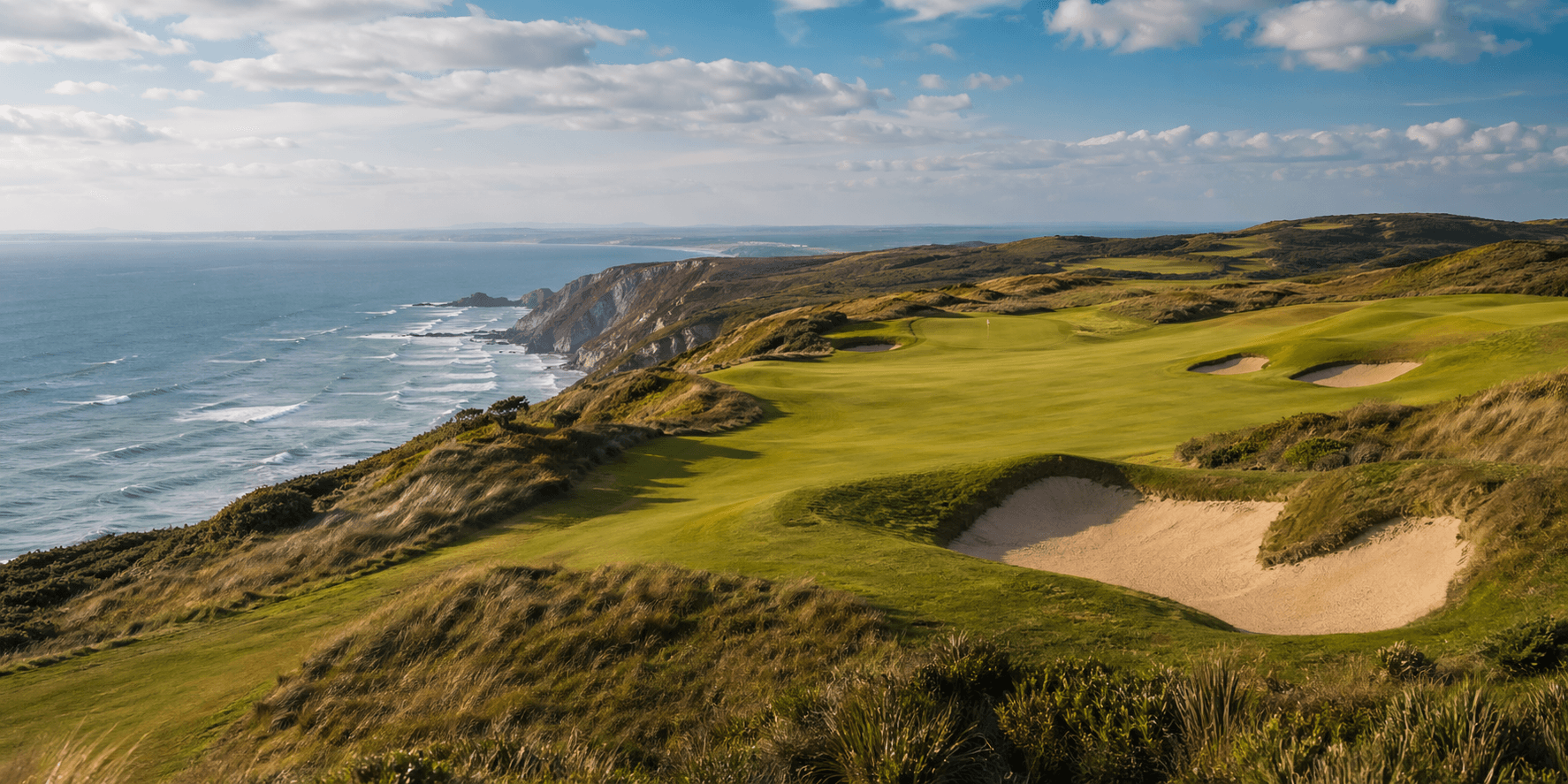
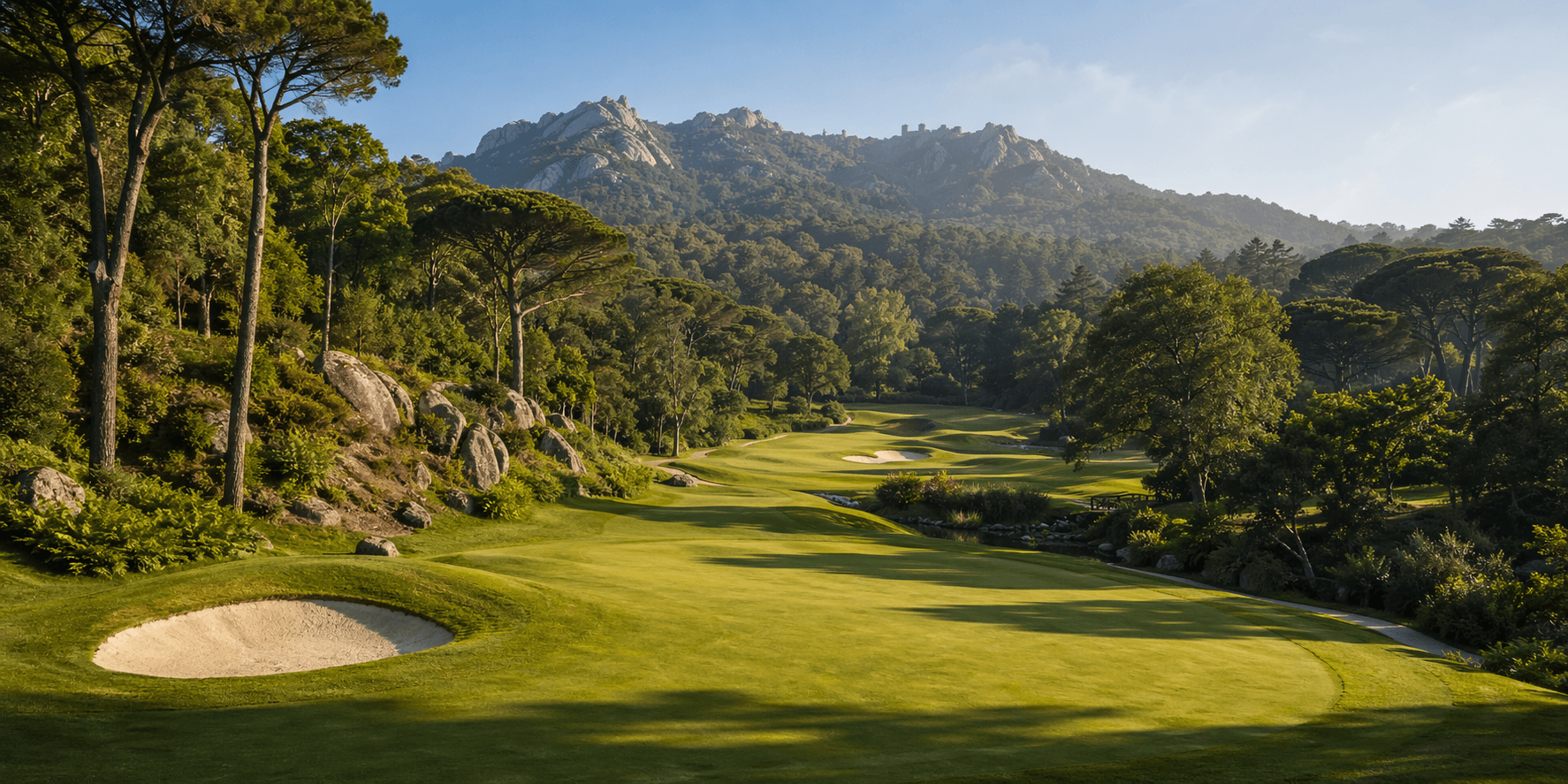
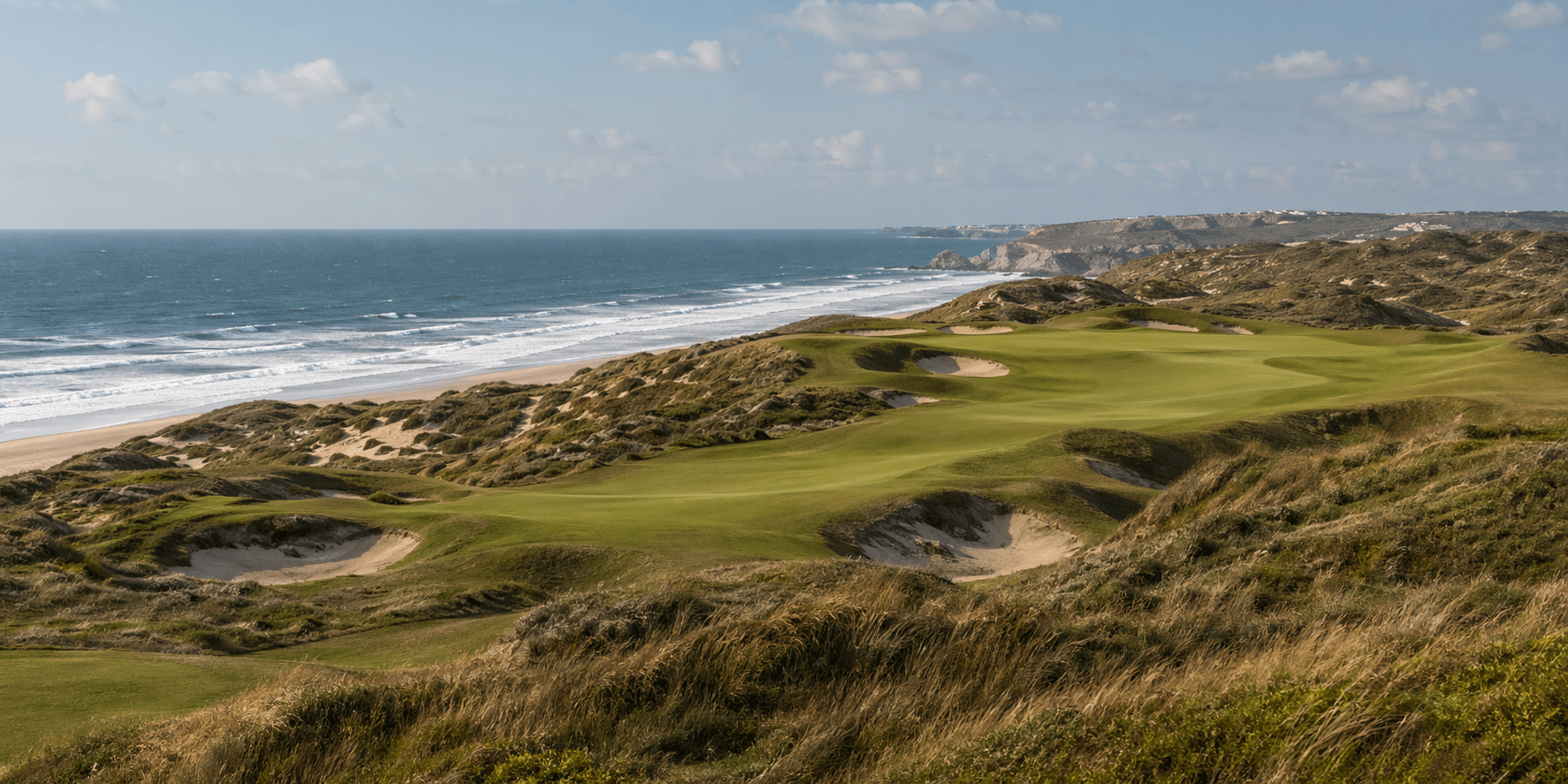
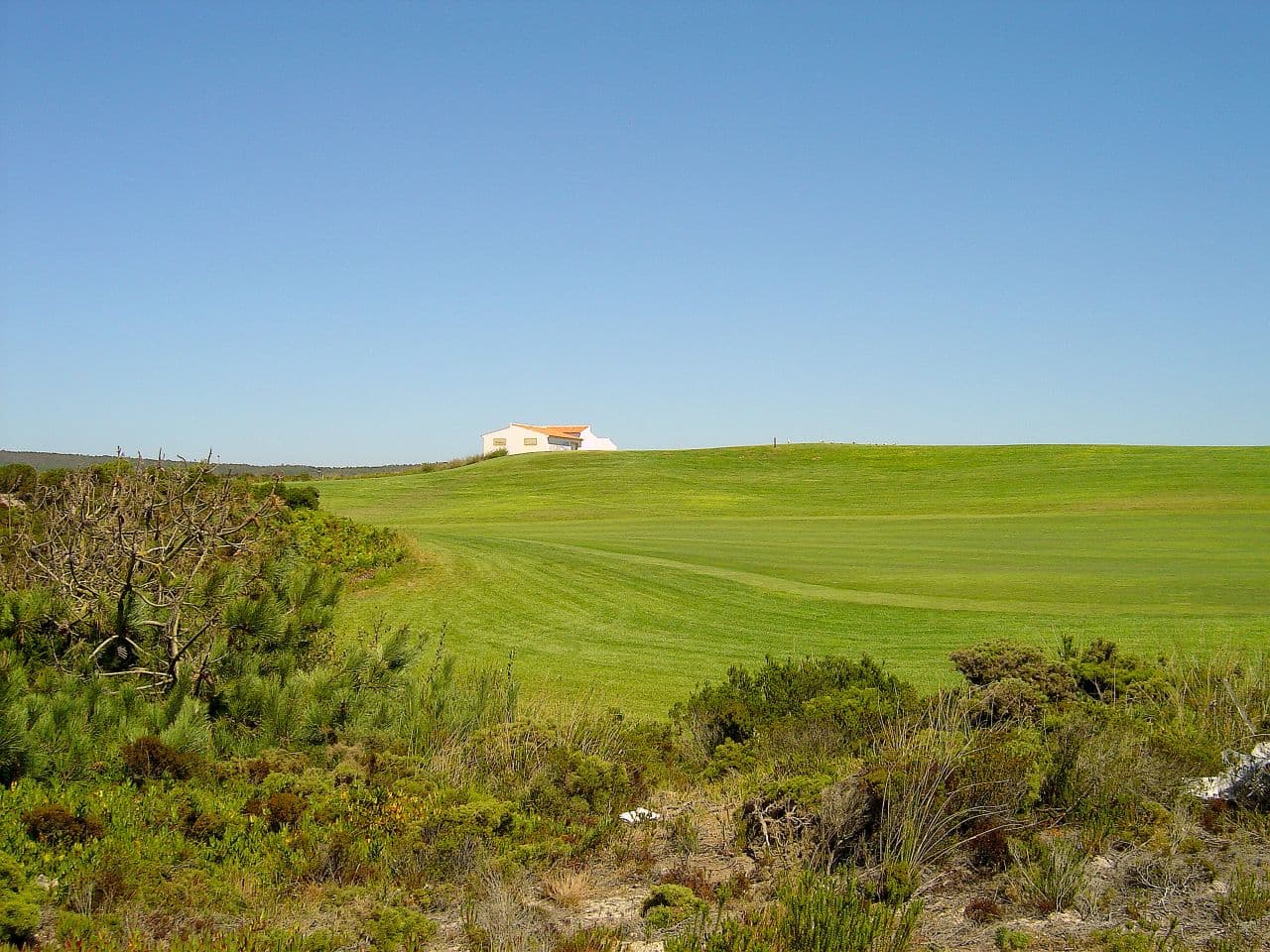
Praia D'El Rey matters because it gave Portugal's western coast a golf identity long before West Cliffs arrived to modernise the conversation. Opened in 1997 on the dune-backed land between Óbidos Lagoon and the Atlantic, Cabell B. Robinson's course became one of the first places where international golfers realised Portugal could offer more than the Algarve. The design mixes inland pine and heathland holes with a genuinely thrilling ocean-facing stretch, which means the round never settles into one note.
That mixed character is exactly why the course still deserves serious attention. It is not as dramatic or as fashionably modern as West Cliffs, but it is broader, more playable for mixed groups, and still capable of producing a proper Atlantic golf day when the wind gets involved. Treated correctly, Praia D'El Rey is the course that turns the Silver Coast from a one-round curiosity into a convincing two- or three-round destination.
Course photography
The experience
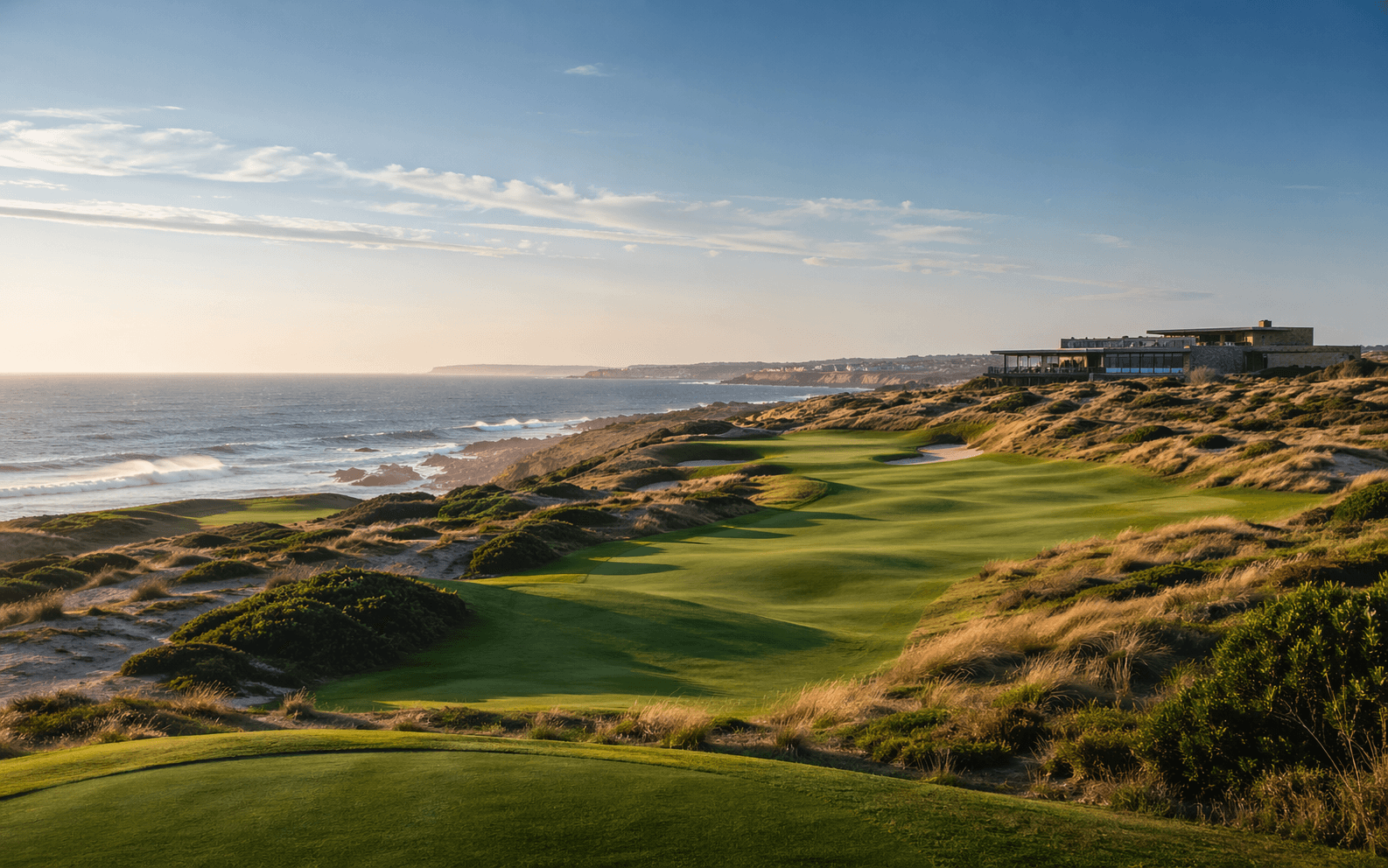
The round starts with enough width and visual calm to let visitors settle, then sharpens as it moves toward the sea. The famous ocean stretch is not decorative. The Atlantic sits close enough to alter the air, the sound, and the shot values, and when the breeze freshens the outward half starts asking for lower, more disciplined golf than many resort players expect. Even away from the cliff line, Robinson uses bunkering and angled greens to stop the course feeling sleepy.
Praia D'El Rey is also one of the easiest western Portugal courses to enjoy across a mixed handicap group. Strong players can chase angles and flight, while less exact golfers still have room to move the ball around. That makes it commercially important as well as editorially relevant. Not every trip needs every round to feel like an exam.
Routing & design
Robinson split the course into two clear personalities. The inland holes move through open resort ground with enough pine, scrub, and shaping to create rhythm without claustrophobia, then the routing commits hard to the coastline for the famous Atlantic holes before easing home. That shift is what makes the course work. If it were all inland it would be pleasant but forgettable, if it were all ocean frontage it would lack pacing.
Greens are large by Portuguese standards and accept a wider range of shots than West Cliffs or Oitavos, which is part of the course's appeal. The strategic challenge is less about surviving extreme contour and more about choosing the right side of fairways so the approaches stay simple in the wind.
Key stretches
Holes 3-6, first contact with the Atlantic
An early run where the course stops feeling like resort warm-up and starts showing real coastal teeth, culminating in the much-photographed stretch nearest the sea.
Holes 8-10, the wind-exposed heart
A sequence where crosswinds and long views begin to dictate club choice more than raw yardage. This is where the course earns its coastal reputation.
Holes 15-17, scoring or slipping
The inland return gives players chances, but only if they have controlled the round well enough to attack from the right positions.
Signature holes
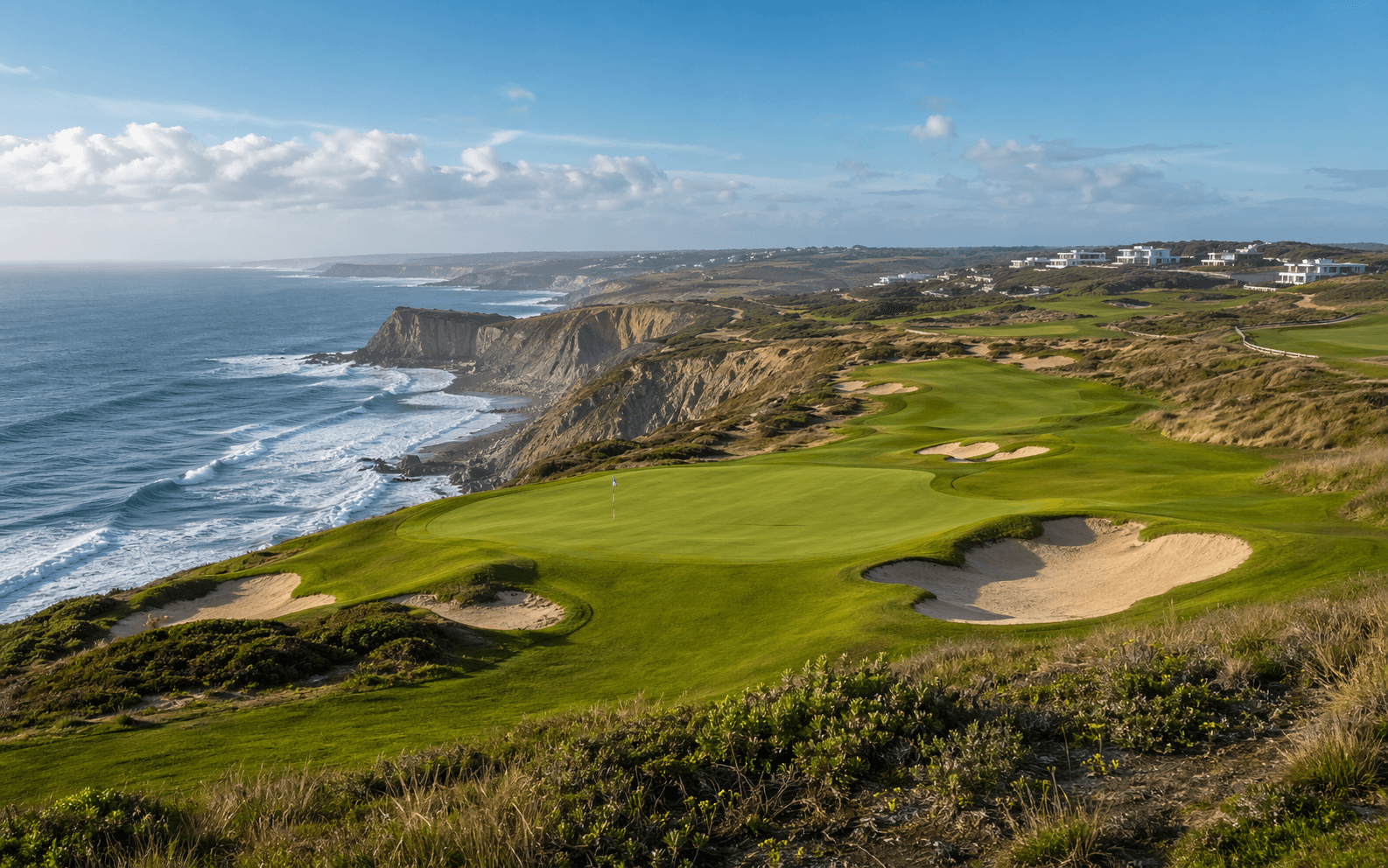
The par-3 3rd is one of the best early reveals in Portugal, a one-shotter framed by sea air and dune movement without needing artificial theatre. The par-4 5th and par-5 6th begin the run nearest the Atlantic and make clear that the course's reputation was earned on the coastline, not in the brochure. The long par-3 8th, played toward the ocean with wind usually crossing, is the standout single shot. And the par-5 17th gives the late round one final risk-reward question before the quieter home hole.
Hole by hole
Early Atlantic reveal
A short hole with enough exposure and dune framing to announce the course's real identity before the player has settled too comfortably.
The long one-shotter
A demanding par-3 played toward the ocean where wind usually matters more than the number on the card. One of Portugal's better resort-hole photographs because it also plays properly.
The shape-shifting three-shotter
Reachable with help, awkward into the breeze, and always better from the correct side of the fairway. A strong strategic par-5 rather than a resort giveaway.
Late-round chance
One final scoring opportunity that still punishes greed if the second shot drifts even slightly from plan.
Practical information
Praia D'El Rey is straightforward to use. From Lisbon airport the drive is around an hour, which makes it realistic for either a Silver Coast stay or a split trip with Cascais. Tee times are normally easier to secure than West Cliffs, especially midweek, and the course works well as the arrival-day or second-day round inside a western Portugal itinerary.
Spring and autumn are the sweet spots. Summer is attractive too, especially for visitors who want warmer beach weather without Algarve density, but the course is at its most characterful when the Atlantic breeze is active and the turf has a little more spring. Walking is pleasant, though a buggy is understandable for resort-led groups because the property spreads more than it first appears.
Who it suits
- •Travellers who want a broader, friendlier Atlantic round beside West Cliffs rather than another full-on examination.
- •Mixed groups where one course needs to be genuinely enjoyable across abilities.
- •Visitors building a two- or three-round Silver Coast trip instead of a one-off day out.
- •Portugal repeat visitors who want resort ease without dropping into generic golf.
Planning notes
- •Use Praia D'El Rey as the arrival or recovery round around a West Cliffs-led trip.
- •Stay locally if Silver Coast golf is the point. The region is better with two nights than with one rushed drive.
- •Let the wind dictate club and ego. It is not a course to overpower thoughtlessly.
- •Pair the round with an Óbidos dinner rather than a resort-only evening if you want the destination to feel complete.
Where to stay
The obvious base is the Praia D'El Rey Marriott Golf & Beach Resort, which remains the simplest way to combine this course with West Cliffs and a decent beach programme. Villa rentals across the estate work especially well for foursomes and families because they keep the golf logistics almost frictionless.
For travellers who want a more design-conscious or quieter feel, Bom Sucesso Design Resort and the wider Óbidos Lagoon villa stock make sense. And for travellers treating the round as part of a wider Lisbon Coast itinerary, Cascais remains close enough for a deliberate day trip, though staying locally is the better editorial answer.
Praia D'El Rey Marriott Golf & Beach ResortBeach-and-golf resort
Still the cleanest local base and the easiest way to package Praia D'El Rey with West Cliffs.
Praia D'El Rey villasSelf-catering, on-estate
Best for groups who want space, direct golf access, and less hotel friction.
Bom Sucesso Design ResortDesign-led villas
A smarter alternative for travellers who prefer architecture and quiet over classic resort scale.
Where to eat
The clubhouse does the practical post-round job well enough, but the stronger dining story lies off site. Óbidos gives you old-town Portuguese dining that feels more rooted than resort food, while Peniche adds seafood that is fresher and less polished in exactly the right way.
For a lunch with the right Atlantic mood, Moinho Beach and the coastal restaurants around Peniche are the obvious move. For dinner, a proper Portuguese table in Óbidos is the better play than overcomplicating the evening inside the resort.
Moinho BeachBeach lunch
The easiest long lunch after an Atlantic morning, with the right easygoing Silver Coast mood.
A Nova Casa de Ramiro, ÓbidosTraditional Portuguese
The correct dinner when you want the evening to feel rooted in the region rather than in the resort wrapper.
Nau dos Corvos, PenicheSeafood
Fresh fish and Atlantic views, ideal when the trip wants the coast to stay central after the golf.
The verdict
Not the Silver Coast's most fashionable course anymore, but still one of its most useful and one of the reasons the region deserves more than a single headline round. Praia D'El Rey gives western Portugal substance.