The course study
Overview
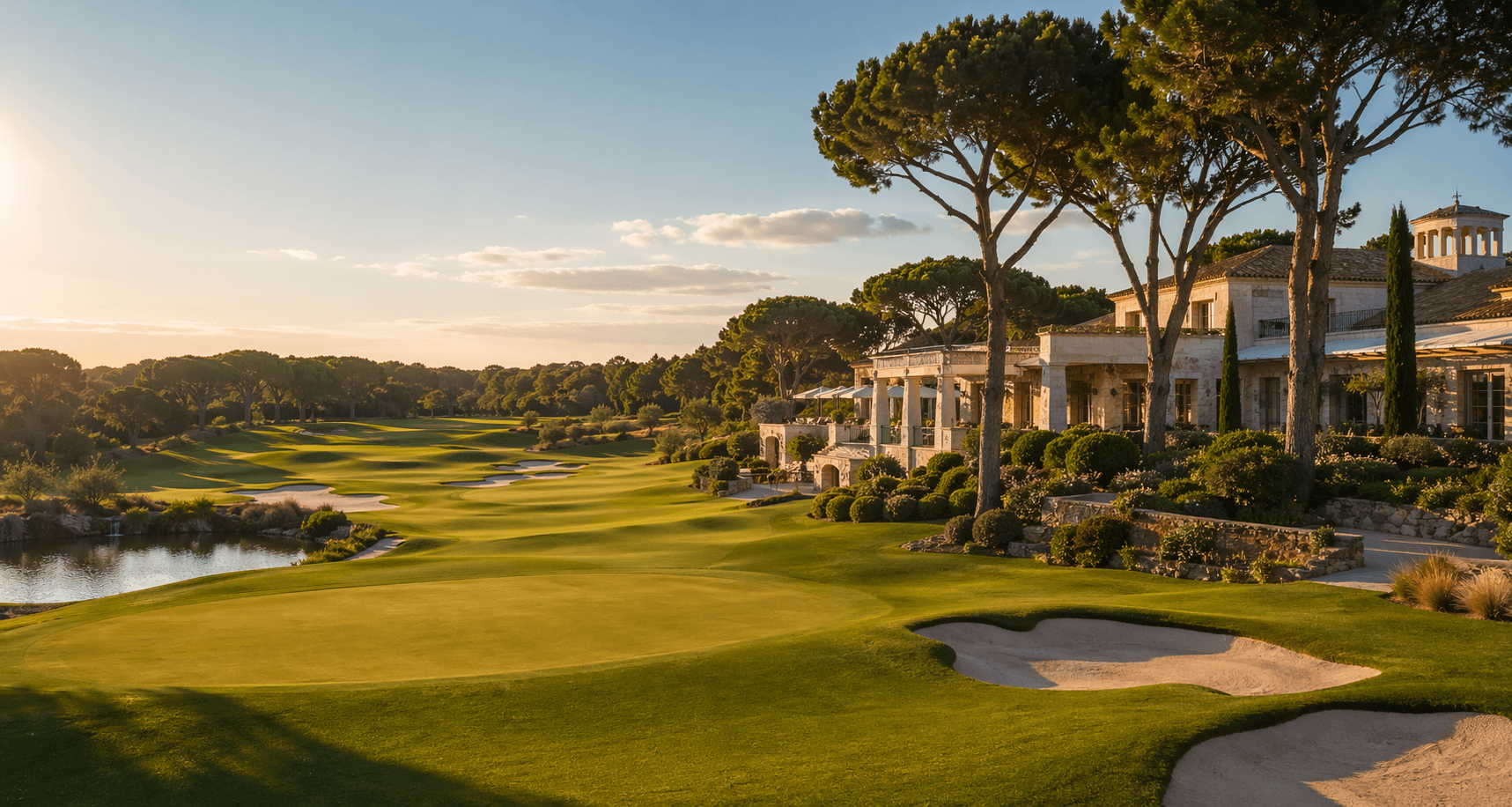
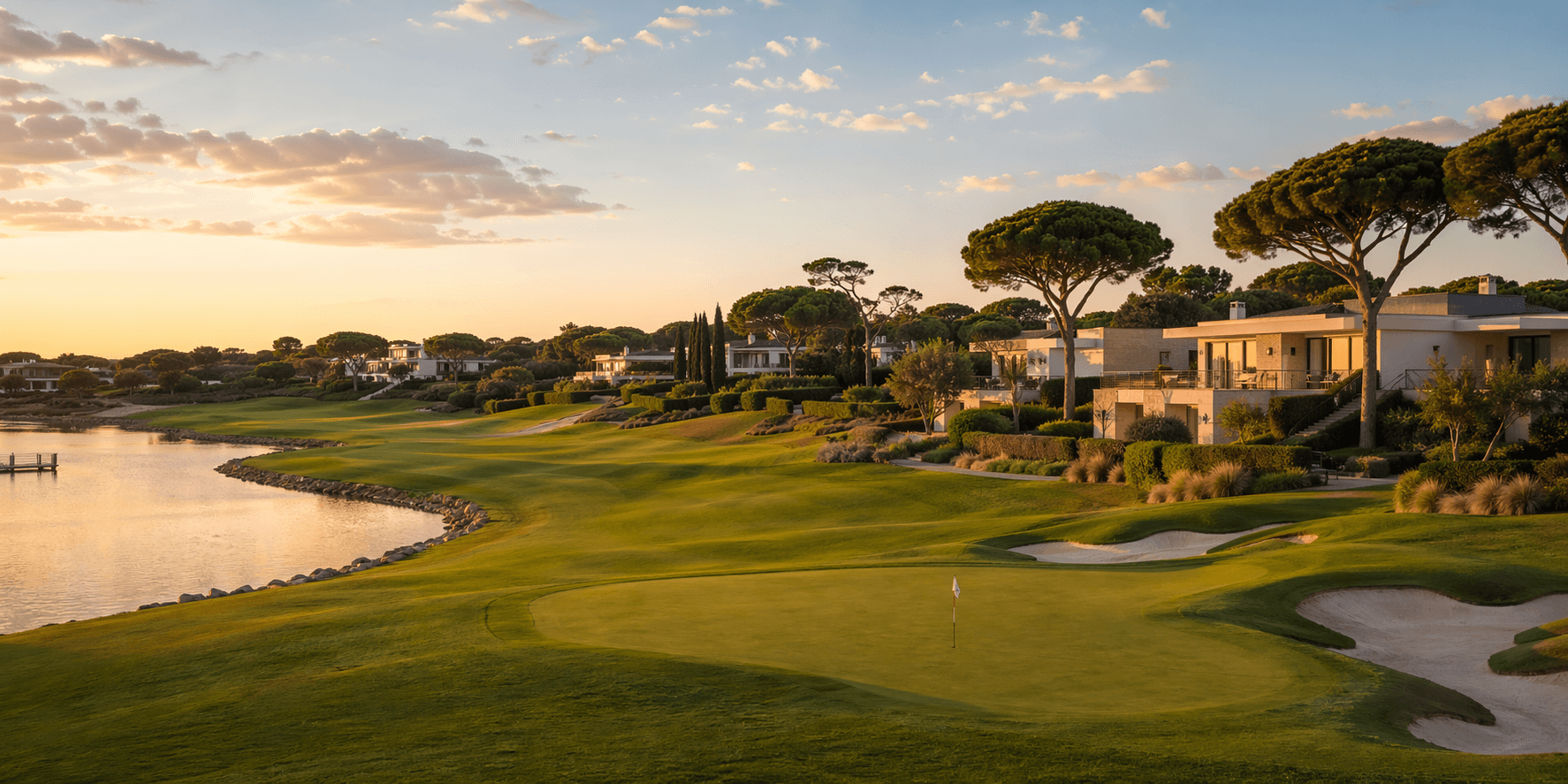
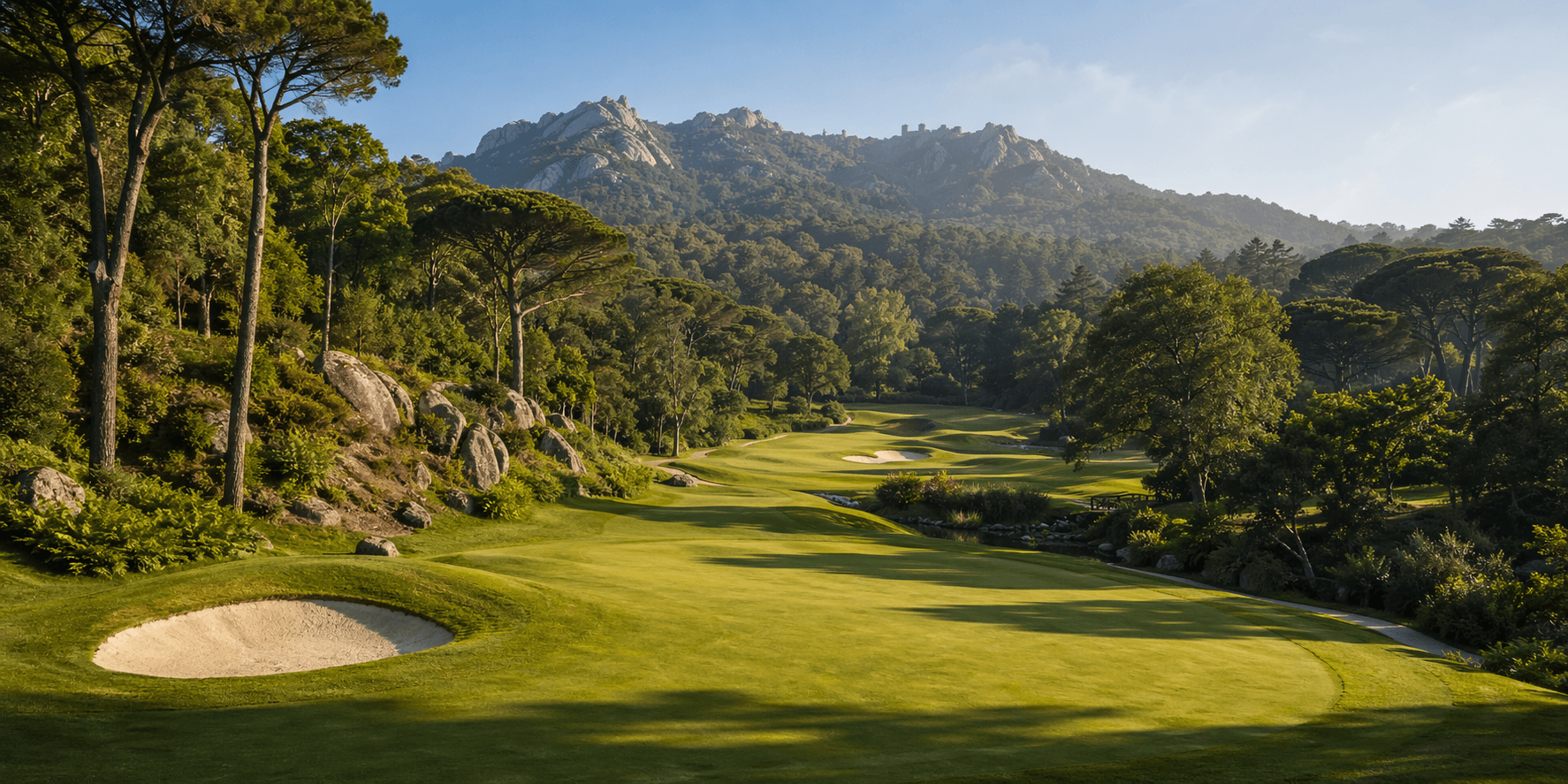
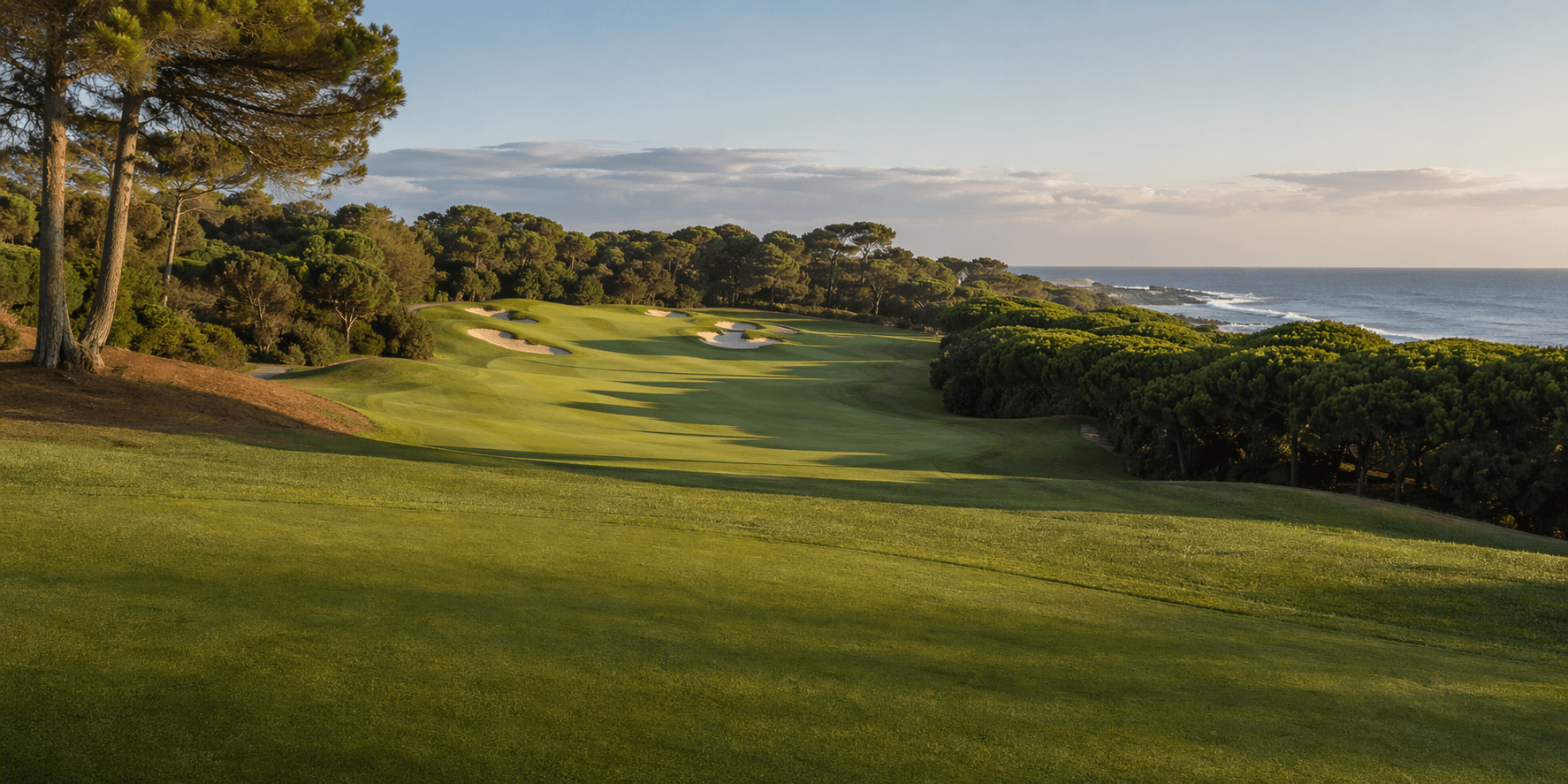
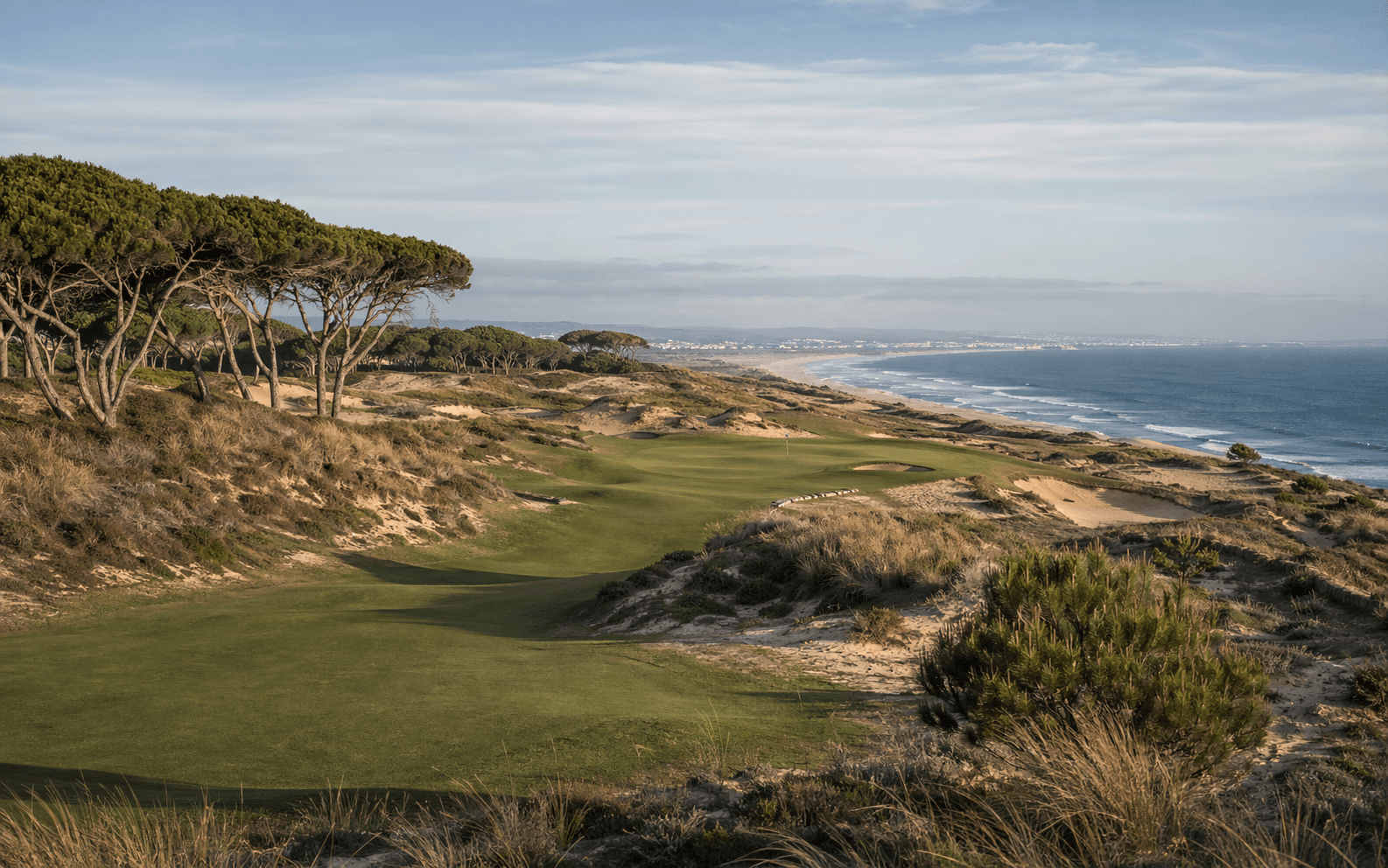
Oitavos Dunes is one of Portugal's most distinctive courses because it does not feel like the Algarve at all. Set in Cascais beside the Atlantic and the Sintra-Cascais Natural Park, twenty-five minutes from Lisbon city centre, the course occupies one of the country's most protected pieces of coastal land: a landscape of umbrella pines, wild dune grass, and open Atlantic headland. Arthur Hills was given unusually free rein in 2001 to create something that reflected the site rather than imposed a conventional parkland template onto it.
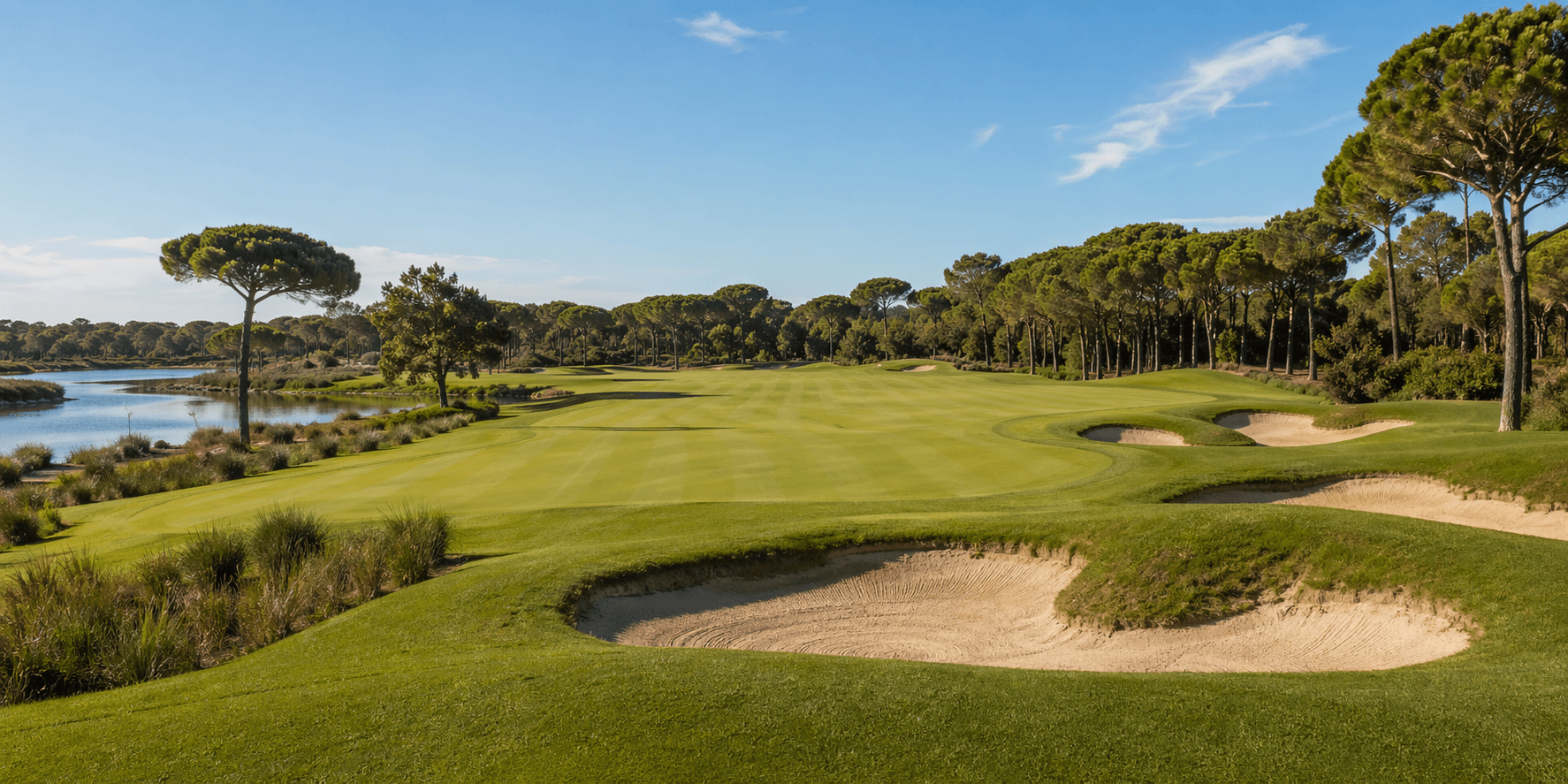
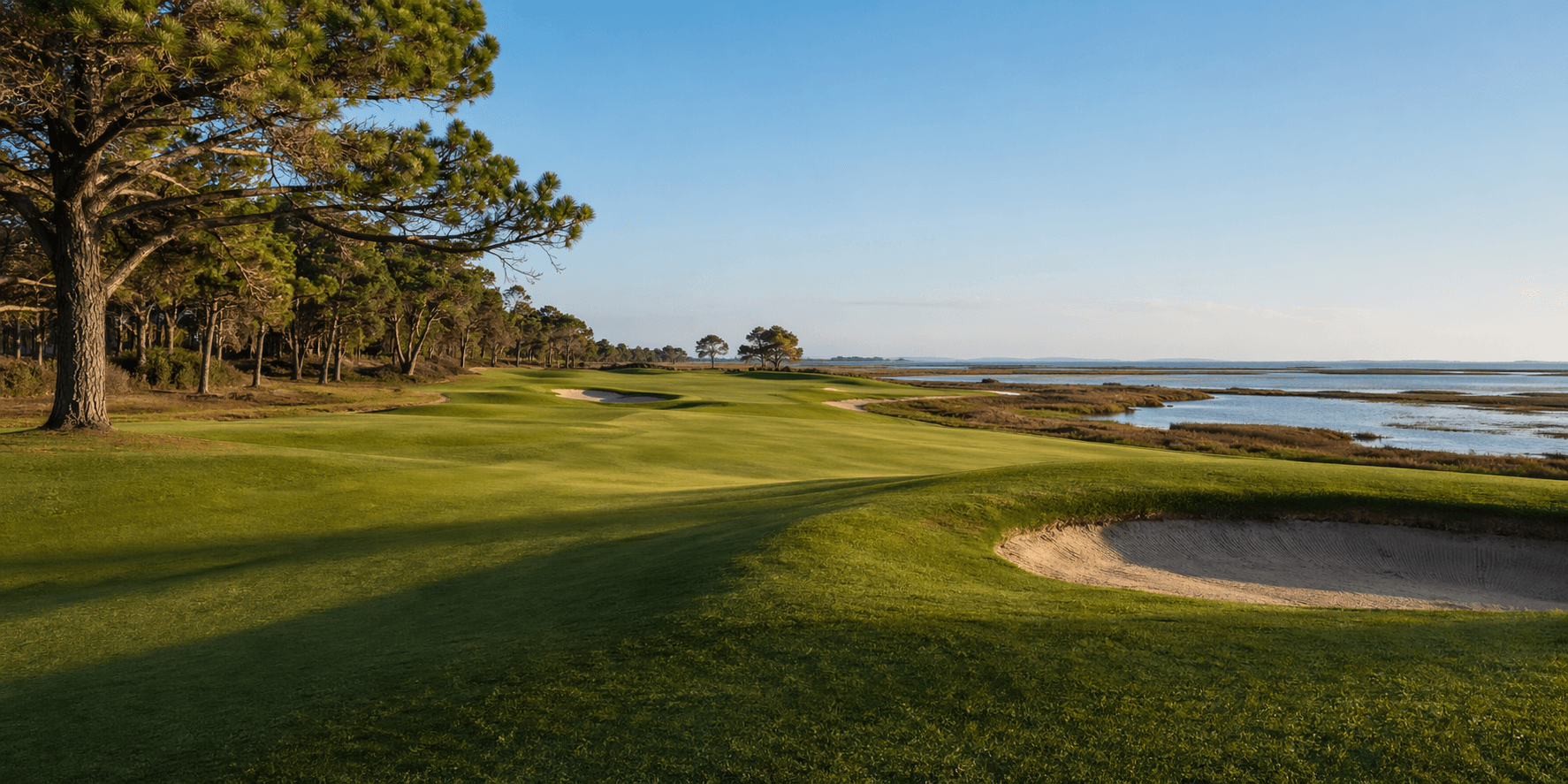
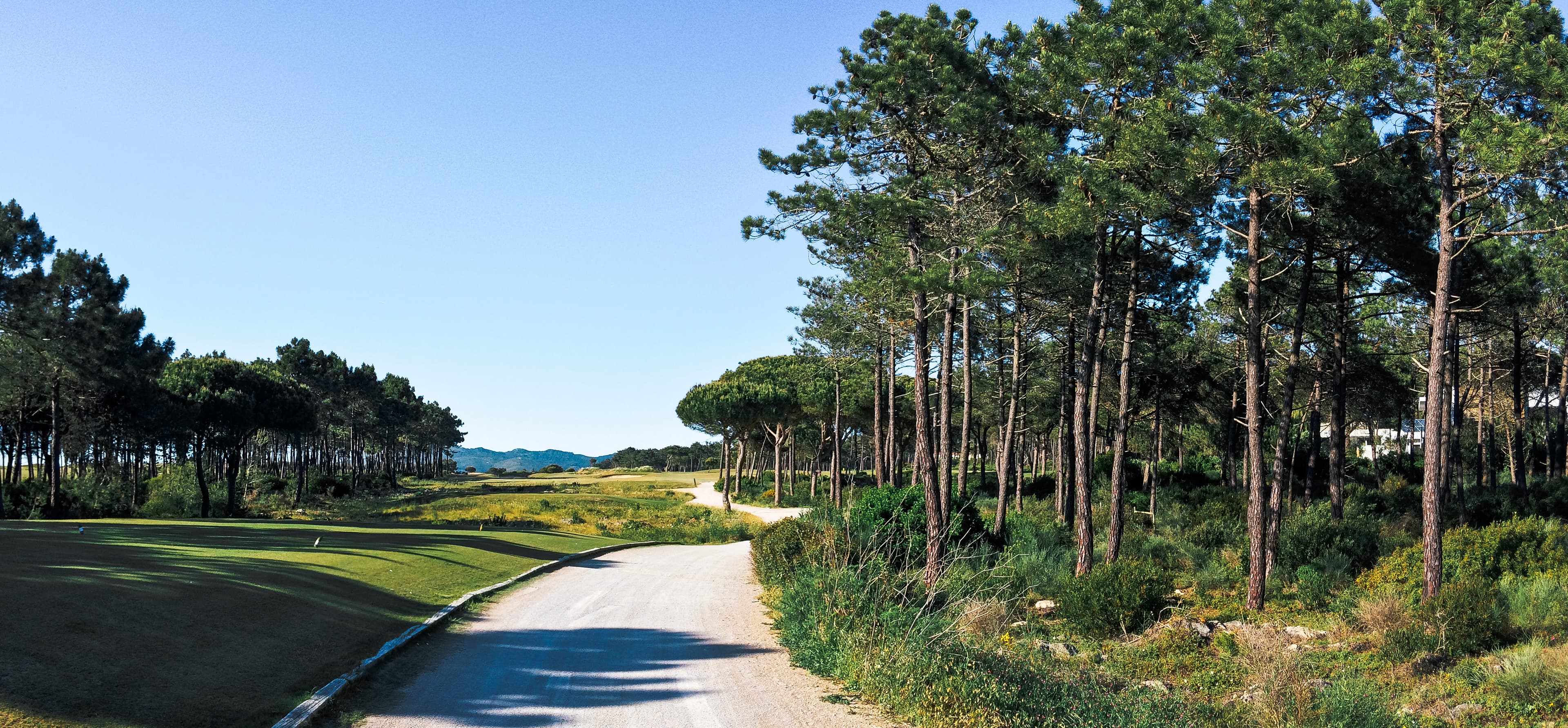
The result is a breezy, exposed, links-leaning layout that uses natural movement and coastal wind brilliantly. Holes 3 through 7 sit in the pine forest, 8 through 14 move out into the open duneland with the Atlantic constantly in view, and the closing stretch works back to the clubhouse through a mix of both. The course was certified by the Audubon Cooperative Sanctuary Program: the first in Portugal to receive it: and the environmental discipline shows in the condition of the natural margins as much as in the turf itself.
Course photography
The experience
The round feels open, athletic, and honest. Wind matters: genuinely matters, not in the decorative way it does at most continental resorts: and trajectories matter. A flighted, low-running mid-iron will score better here than a high-spinning Tour-style approach, and the pin positions change the feel of the course between morning and afternoon rounds. You spend much of the day aware of the ocean, either looking directly at it or running parallel to the cliff line.
It is less manicured-resort theatre and more modern coastal golf, which gives it real identity in the Portuguese market. The clubhouse is understated: a low stone building with a terrace that looks over the 18th and the Atlantic: and the service register is polished rather than performative. Most visitors finish the round and extend their stay by a day, which tells you something about how the course lands.
Routing & design
The routing moves in three zones: the pine-forest opening from 1 to 7, the exposed duneland middle from 8 to 14, and the closing stretch back to the clubhouse. This is deliberate: Hills designed the middle section to be the course's identity and the bookends to frame it rather than compete with it.
Greens are firmer than most Portuguese courses and receive run-up approaches well, which rewards the low-flighted mid-iron much more than the high Tour shot. Bunkering is native-faced and shallow in the dune section, deeper and more classical in the forest section. The course plays anywhere between 5,600 yards from the forward tees and 6,303 from the tips, but wind makes the effective length change by a full club or two depending on the day.
Key stretches
Holes 1–4: the forest opening
A gentle par-4 1st, the short par-3 2nd, the rising par-4 3rd, and the strategic par-4 4th through the densest part of the cork-oak woodland. A deliberately contained opening that sets the strategic tone before the course opens up.
Holes 8–14: the duneland
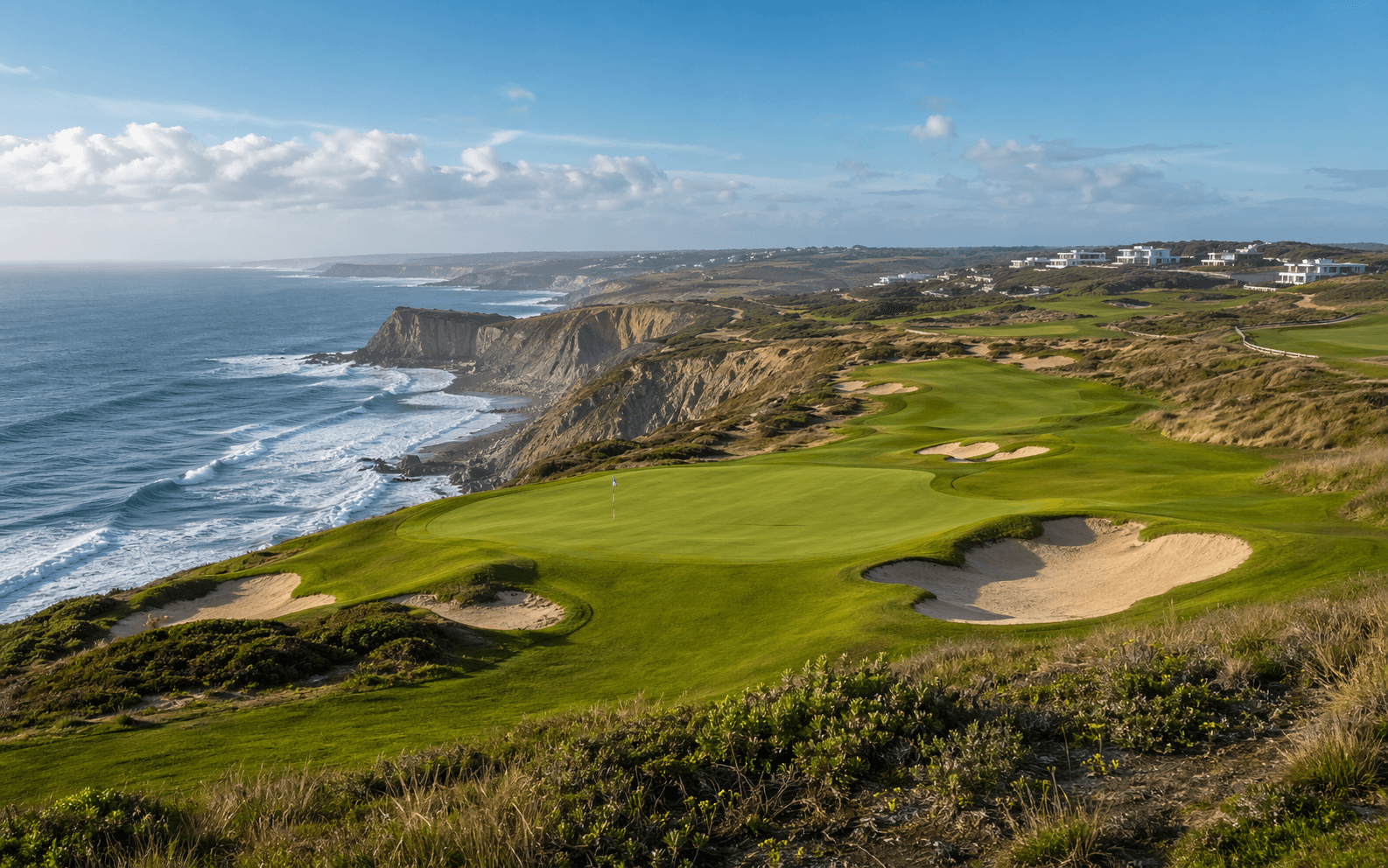
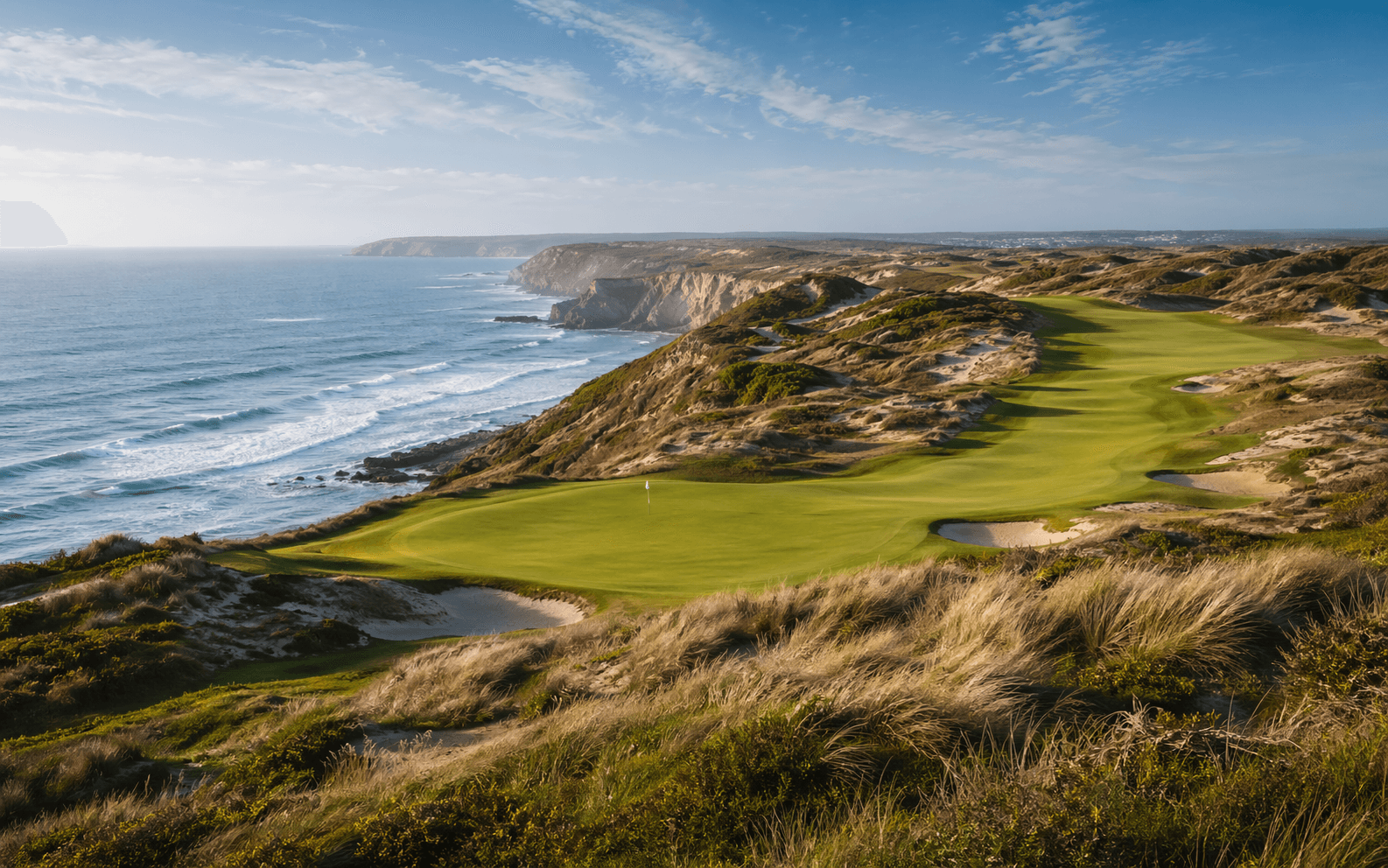
The course's identity. Open, exposed, and routed along and across the Atlantic headland. The par-3 10th, the long par-5 12th and the clifftop par-4 14th are the three holes that most visitors remember years later.
Holes 16–18: the closing
A strategic par-4 16th, a long par-3 17th, and the par-4 18th finishing in front of the clubhouse. A three-hole run that punishes a tired player but rewards the one still committing to lines.
Signature holes
The par-4 4th, playing through a cork-oak corridor to a green angled away from the prevailing wind, is where the course first shows its strategic intent. The par-3 10th, completely exposed to the Atlantic and playing across a low dune to a green with the ocean directly behind, is the most photographed hole on the card. The par-4 14th, running along the cliff with the ocean down the right for its entire length, is the longest-feeling short hole in Portugal. And the par-4 18th, finishing in front of the clubhouse terrace with the Estoril coast visible on a clear day, is a genuine closing hole rather than a walk-off.
Hole by hole
The cork-oak strategic
The tightest drive of the front nine through a cork-oak corridor. The fairway kicks left and the green is angled away from the right-side approach. A classic Hills mid-length par-4.
The Atlantic par-3
Fully exposed to the ocean with the green set above a low dune and the Atlantic directly behind. Wind dictates club: up to three clubs difference between morning and afternoon. The photograph of the round.
The clifftop
A mid-length par-4 with the ocean down the right for the entire hole. The prevailing wind pushes the drive toward the cliff. Most visitors play it over-safe and leave the approach too long.
The clubhouse closer
A par-4 finishing in front of the terrace. Wind is usually helping on the drive and into on the approach. The green sits above a low bunker and rejects the under-hit second.
Practical information
No public 2026 visitor card was confirmed on the club site on 1 September 2026. Operator tables circulate seasonal bands; this page will not treat those as the club's number. Confirm the day's green fee and access with the club before you hold the flight. Operators list weekdays from about €123 in summer to about €177 in autumn, weekends higher. Confirm with the club. Oitavos is open to the public and generally easier to book than the Algarve flagships, with tee times often available at two to three weeks' notice outside the highest-demand windows. The course is part of the Oitavos resort complex, and hotel guests at The Oitavos (the on-site design hotel) get preferential access and rates.
Ideal as part of a Lisbon or Cascais golf-and-city break. The climate is excellent outside peak summer heat: September and early October are particularly strong, with warm days, lower wind, and the lightest tourist volumes. Wind is an essential part of the course's character, not a side note; do not book Oitavos in hopes of a calm day. Buggies are available but walking is genuinely the right way to play this course, and the ground is firm and springy enough to make it pleasant.
Who it suits
- •Golfers who want a genuinely links-style test and can flight the ball low into wind.
- •Couples and pairs combining golf with a Lisbon-and-coast city break.
- •Visitors from the British Isles looking for a familiar golf sensibility on the continent.
- •Players willing to walk; buggies are available but miss the point.
Planning notes
- •Target September, early October, April or early May: warm, less windy, empty tee sheets.
- •Book a Lisbon-plus-coast split stay if this is the first Portuguese trip: two nights city, two or three at Cascais.
- •Play two rounds if the schedule allows. The course reveals itself differently in different wind.
- •Walk rather than ride: the ground is firm and the routing suits it.
- •Leave a full evening for Fortaleza do Guincho; it is the dinner of the trip.
Where to stay
The Oitavos is the obvious choice if you want to base directly at the course: a 142-room design hotel with suites overlooking the first tee, a strong pool, and direct access to the Sintra-Cascais Natural Park hiking trails. It is one of the best-designed hotels in Portugal and the right call for couples and pairs.
For a lively Cascais base, the Grande Real Villa Itália Hotel & Spa and the Martinhal Cascais are both five minutes from the old town and walking distance to restaurants and the marina. For a split stay with Lisbon, the Four Seasons Ritz Lisbon is forty minutes away by car and allows the trip to combine serious city dining with two rounds on the coast. For groups or families, villa rentals in Quinta da Marinha and Malveira da Serra are the most practical option.
The OitavosDesign hotel, on-site
142 rooms, direct course access, strong pool, and one of the most beautifully designed hotels in Portugal. The default base for golf-first stays.
Martinhal CascaisFive-star, family-friendly
Five minutes from Cascais old town. Strong for families with non-golfers in the group.
Four Seasons Ritz LisbonLisbon base
Forty minutes away. The right call for a golf-plus-city split stay with two rounds on the coast and two nights in Lisbon.
Quinta da Marinha villasSelf-catering
Villa rentals adjacent to the course. Best for groups and families wanting privacy and space.
Where to eat
Cascais makes dining easy, and the variety is one of the best reasons to extend the stay by a day. For a standout dinner, Fortaleza do Guincho: a restored 17th-century fort on a clifftop with one Michelin star: is fifteen minutes from the course and one of the best seafood rooms in Portugal. O Pescador in Cascais old town is the reliable classic for grilled fish on a proper outside terrace.
For a casual long lunch, the beachfront restaurants at Praia do Guincho: Bar do Guincho and Porto de Santa Maria: are exactly what the day calls for after a morning round. In Sintra, twenty minutes inland, Lab by Sergi Arola at the Penha Longa resort is a two-star option if the evening wants to be a destination. Pastéis de Belém on the way back to Lisbon is the only mandatory pastry stop of the trip.
Fortaleza do GuinchoMichelin, seafood
A restored 17th-century fort on a clifftop with one Michelin star. The best seafood tasting room on the Lisbon coast.
O Pescador, CascaisTraditional seafood
Grilled fish on an outside terrace in Cascais old town. The reliable dinner for any night that is not about the tasting menu.
Bar do GuinchoBeach lunch
On the sand at Praia do Guincho. Long lunches, cold drinks, grilled fish. What the afternoon is for.
Lab by Sergi Arola, Penha LongaTwo-star, Sintra
Twenty minutes inland. The serious destination dinner of a longer trip.
The verdict
Portugal's best modern strategic test and the course that makes a Lisbon golf trip genuinely world-class. Go in shoulder season, walk, and give it two rounds.